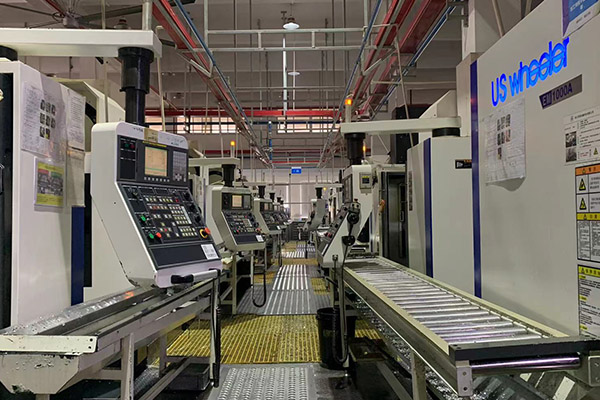
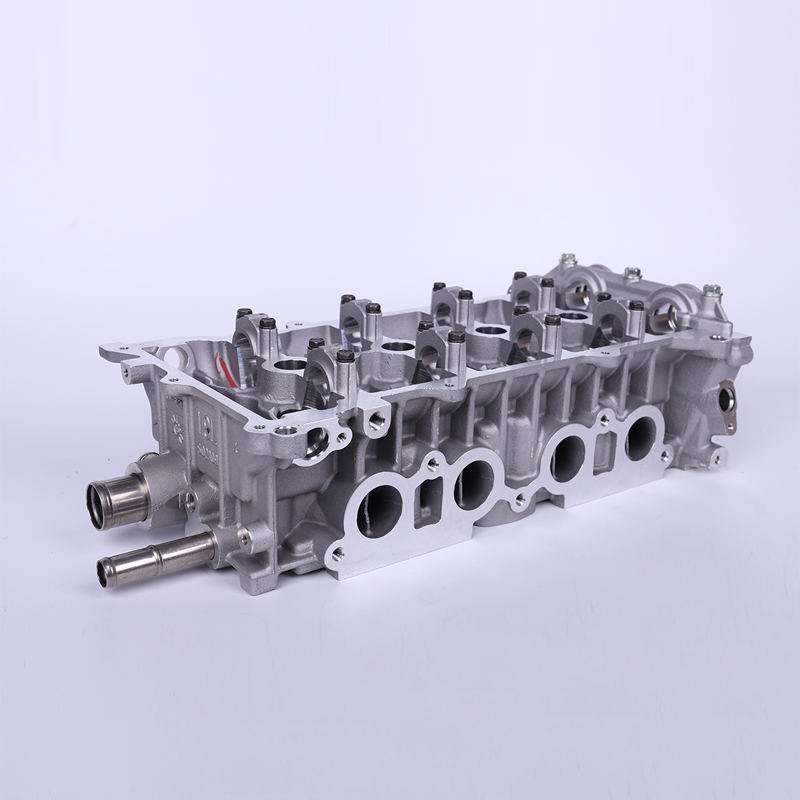
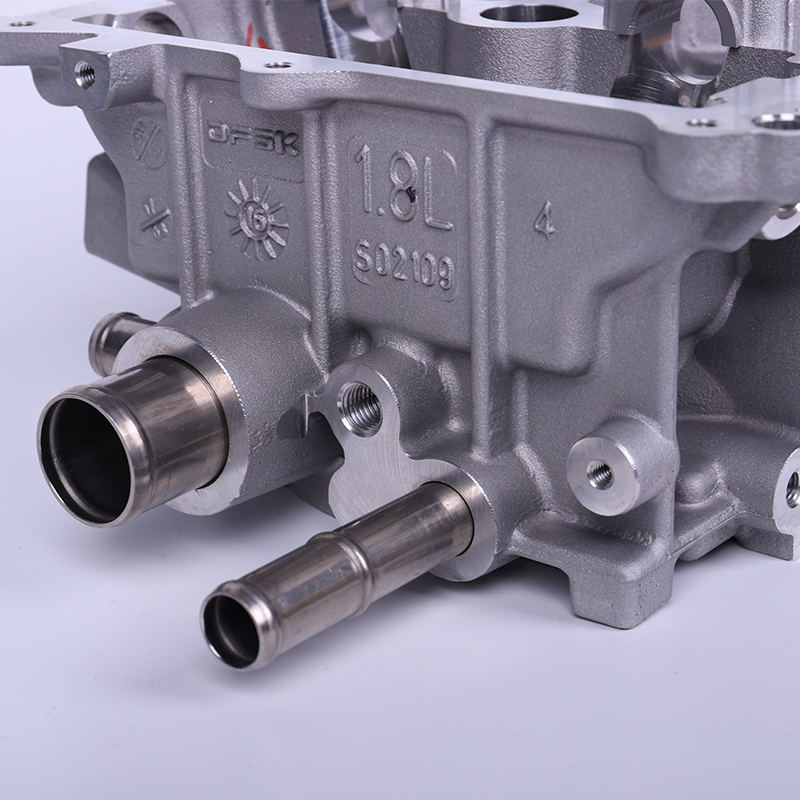
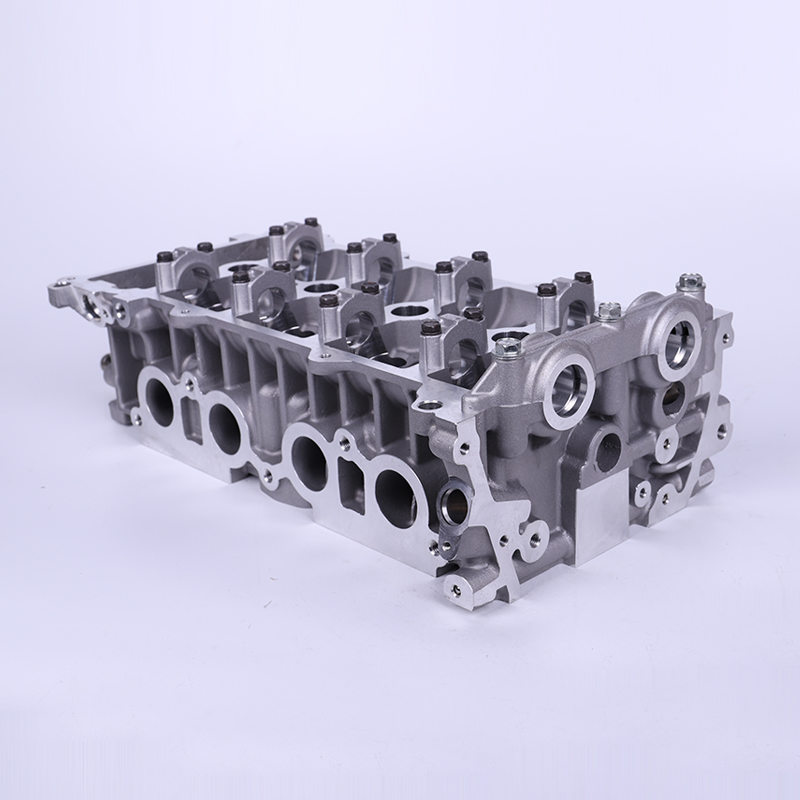
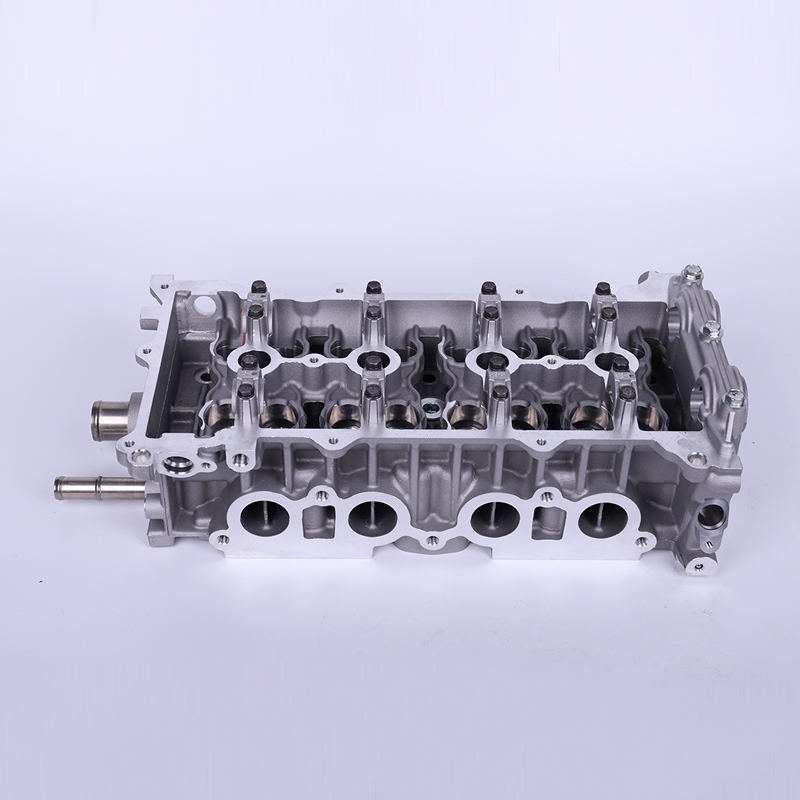
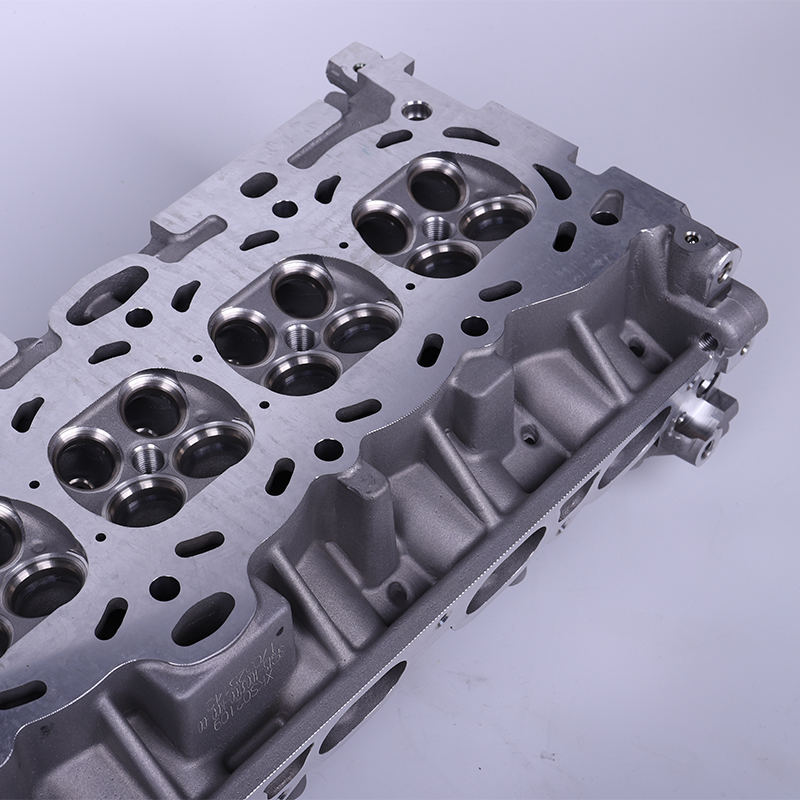
Aluminum die castings are widely used in industrial production and can be used as parts of many equipment. The main process used in production is extrusion molding, which has its own advantages and disadvantages and can improve and prevent these defects. Let's talk to the aluminum die-casting manufacturer about the actual information.
Large precision castings use extrusion molding technology, where raw materials such as waste aluminum are melted in a melting furnace and extruded through an extruder to be discharged into the grinding tool for molding. It can also extrude various aluminum profiles with different cross sections. The primary and secondary functions, including compressive strength, strength, and wear resistance, are all in accordance with the standard GB6063. Advantages include: light weight of only 2.8, non rusting, fast overall planning changes, low investment in grinding tools, and vertical extension of over 10 meters. Aluminum alloy profiles have bright and matte appearance, and their treatment process adopts anodic oxidation treatment. The surface treatment oxide film reaches a thickness of 0.12m/m. Gravity casting of aluminum parts and thickness of aluminum alloy profiles are selected based on the optimal control of product planning, not necessarily the thicker the better on the market. The overall planning should be terminated according to the cross-sectional structure regulations, which can vary from 0.5 to 5mm.