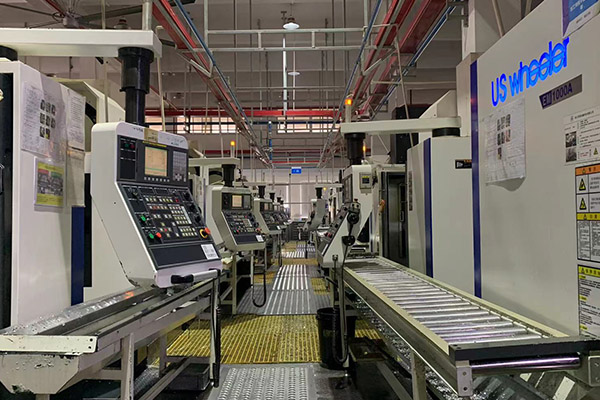
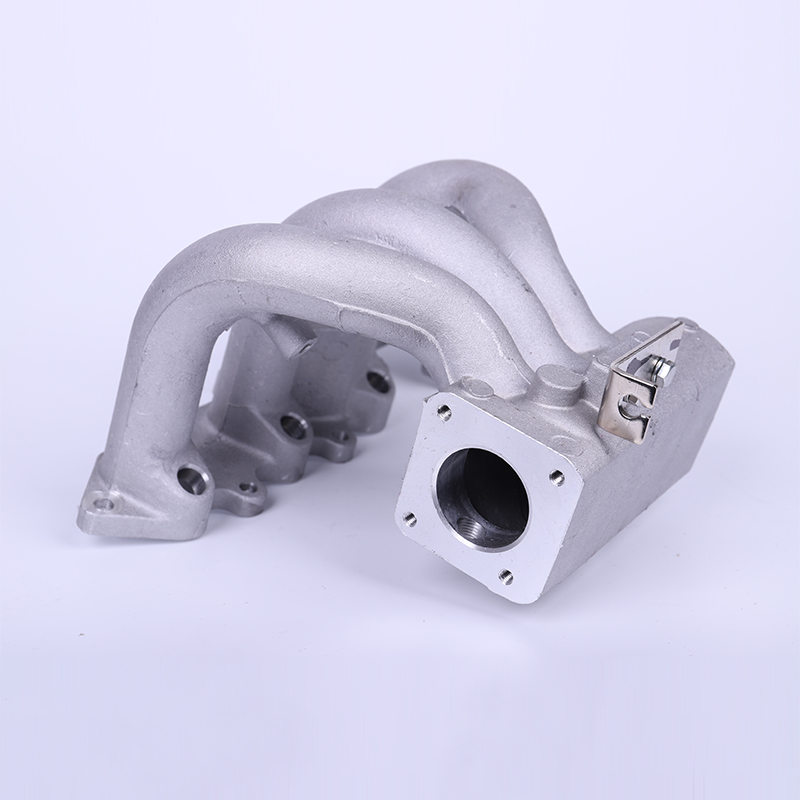
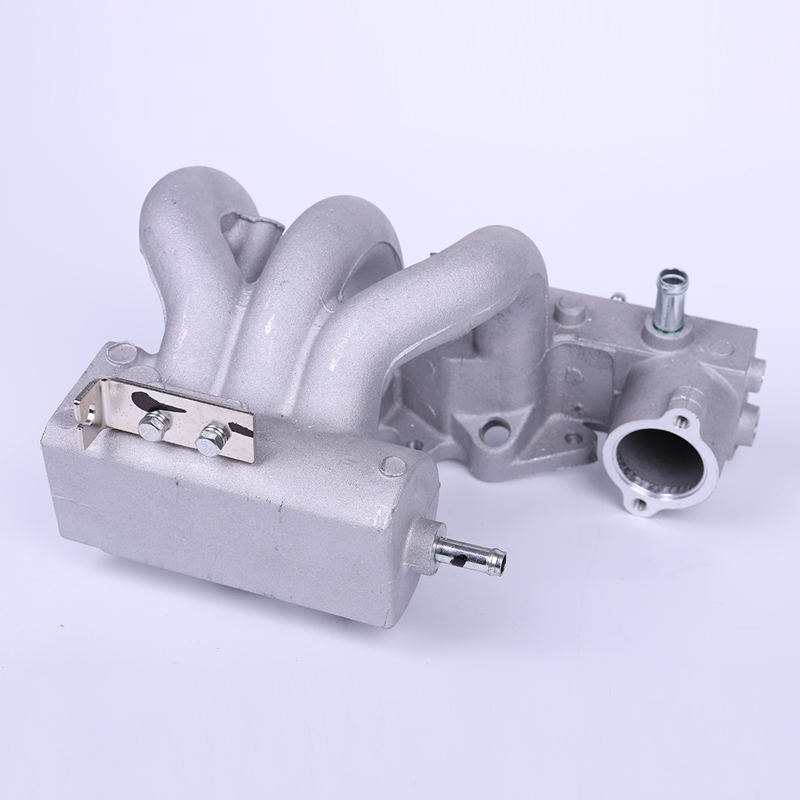
The method of casting liquid metal into the inner wall of the casting that is consistent with the shape of the part, and after it cools and solidifies, to obtain aluminum parts or blanks by gravity casting is called casting. Obtaining castings by casting is called casting. Do you know what the General technology requirements for castings are?
General technology requirements for investment castings:
1. Requirements for raw materials. Important factors include compressive strength, compressive strength, tensile strength, and impact toughness.
2. Precision of specifications, models, and shape tolerances. Different castings have different requirements, using different specifications, models, geometric tolerance standards, and tolerance level tables.
3. According to the application requirements, specify the requirements for engineering completion acceptance for other defects in castings. Such as exhaust ports, sand holes, casting defects, casting defects, weld beading, sand pipes, cracks, etc.
Pour metal material concrete into a casting and grinding tool cavity with the same shape and specifications as the part, and wait for it to cool and solidify to obtain a blank or part, which is called a casting.
Requirements for the development of casting parts:
1. Meet the requirements for compressive strength and bending stiffness. Achieving compressive strength is a crucial issue for shell parts with particularly high load-bearing capacity in precision casting products; But for the vast majority of shells, the main criterion for evaluating the characteristics is bending stiffness, because the bending stiffness of the shell not only harms the basic operation of the transmission device components, but also harms the precision of the prefabricated components. The selection of automatic control models and specifications for casting parts is included on the website.
2. Heat dissipation characteristics and thermal deformation challenges. The friction and heating of the parts inside the box cause changes in the viscosity of the lubricating grease, which damages its lubrication performance; The rise in temperature causes thermal deformation of the shell, especially the thermal deformation and stress caused by the uneven distribution of environmental temperature, which have a significant impact on the precision and compressive strength of the shell.
3. The product design is reasonable. The allocation of support points, reasonable layout of reinforcement, location of openings, and design schemes of buckle structures should all be conducive to improving the compressive strength and
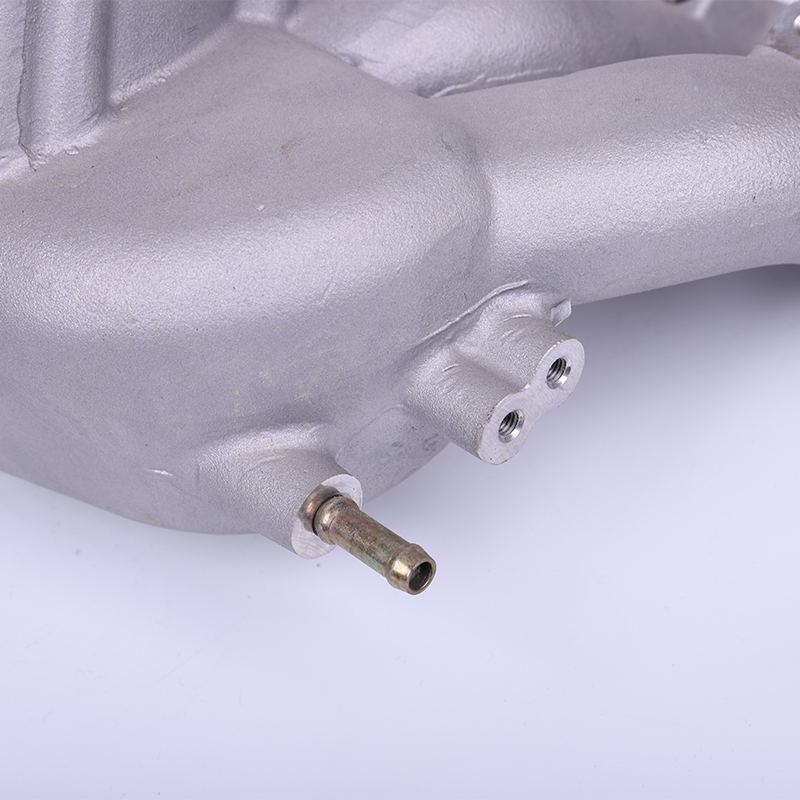
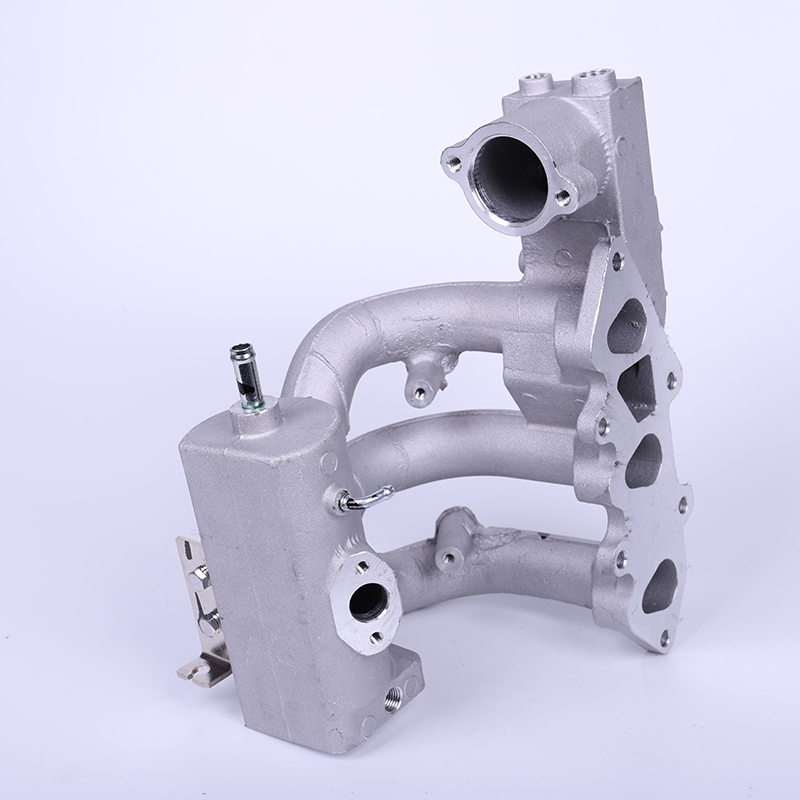
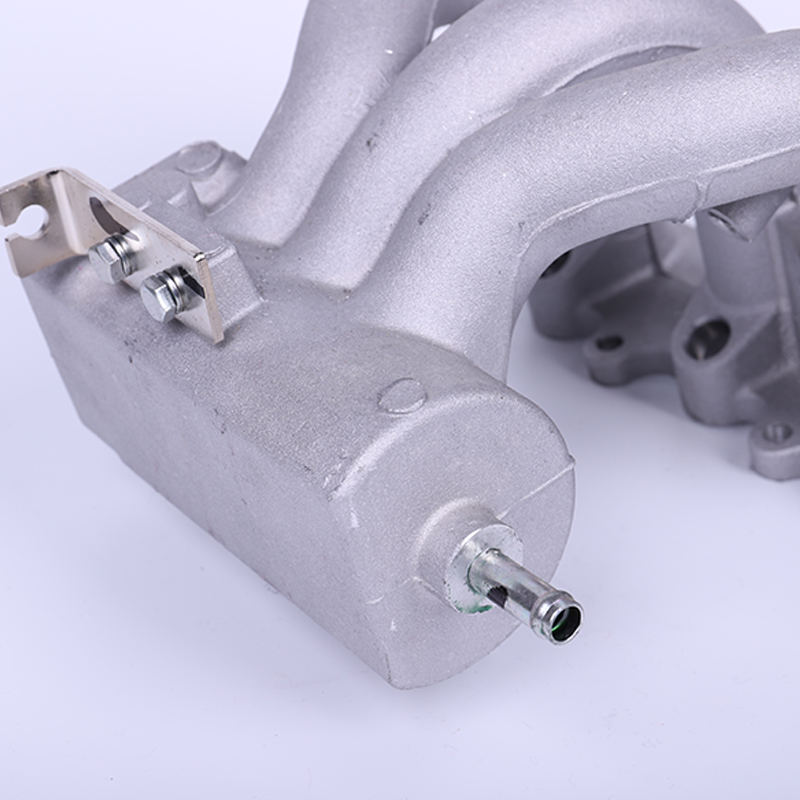
4. Good usability. Including the performance of various aspects such as rough production and processing, mechanical processing and heat treatment methods, assembly adjustment, assembly and fixation, lifting and transportation, maintenance and repair.
Casting parts are equipment product workpieces obtained through casting, and generally require some mechanical processing and manufacturing to be completed. So, have everyone mastered the standard specifications for casting parts?